Ballardong and Yued Noongar History
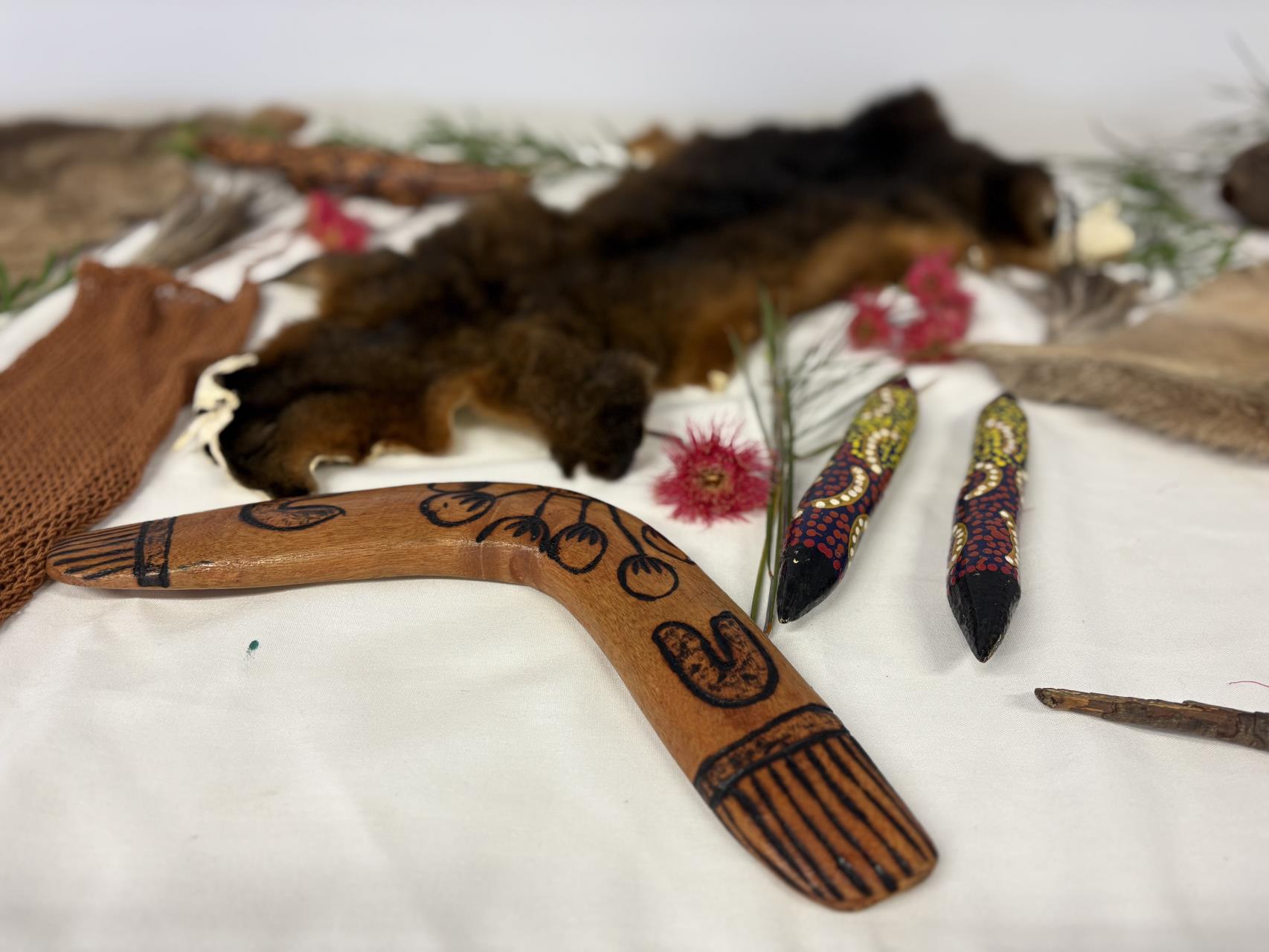
The Shire of Wongan–Ballidu sits on the ancestral lands of the Ballardong and Yued Noongar people, who have cared for and connected with this country for tens of thousands of years. Archaeological evidence and oral histories show that Noongar people have maintained an unbroken relationship with the Wheatbelt landscape for at least 45,000 years, guided by ancient laws, cultural knowledge, and deep spiritual ties to place.
The name “Wongan Hills” is derived from the Noongar words Wongan Katta, commonly interpreted as “Talking Hills” or “Whispering Hills.” This name reflects the distinct sounds carried on the wind across the hills, an experience long recognised by Noongar people as part of the land’s unique character and presence.
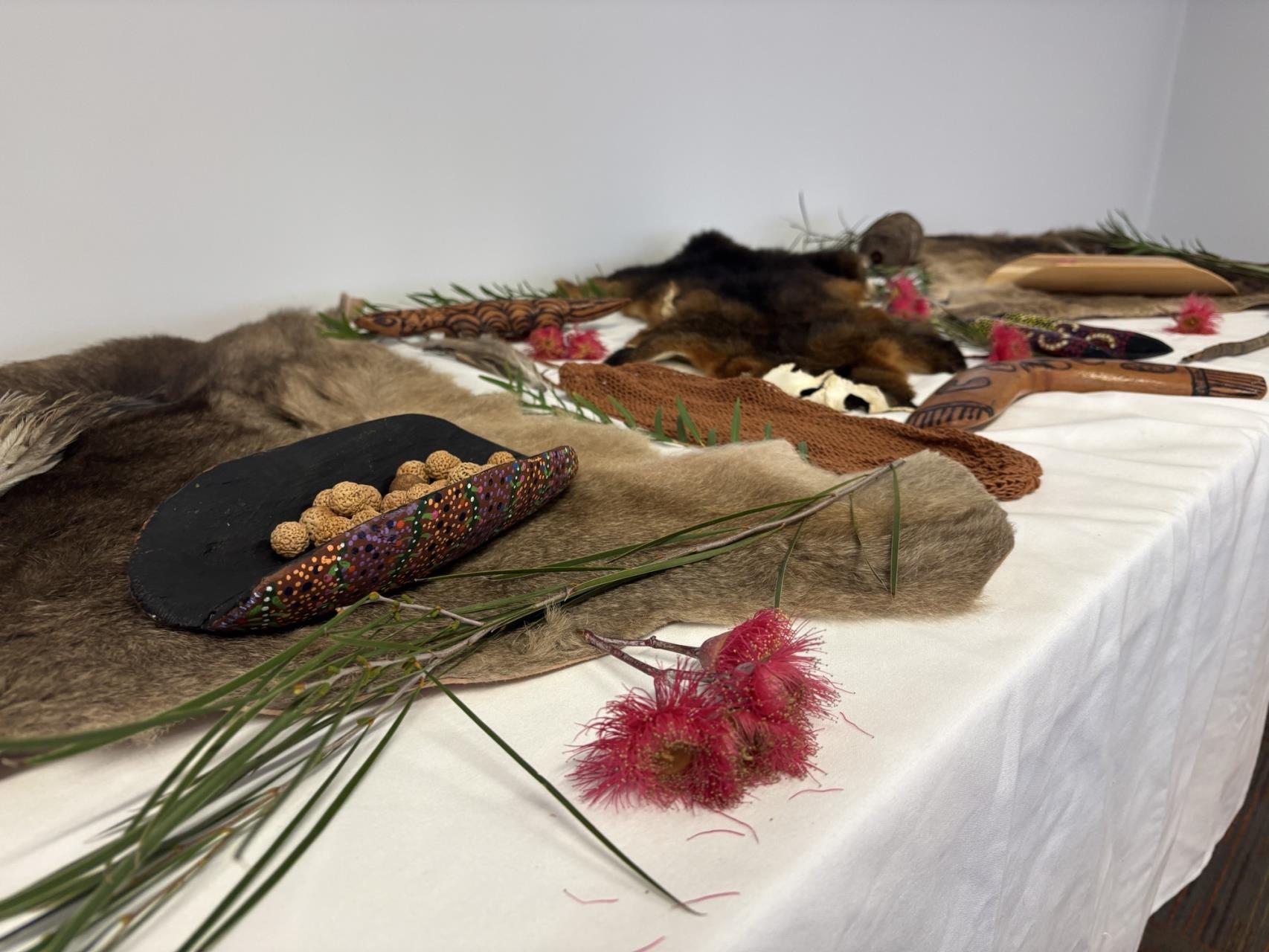
The Wongan Hills are a place of immense cultural and environmental significance. The region’s striking granite outcrops, diverse water systems, and abundant plant and animal life form the basis of many cultural stories, practices, and connections. With more than 1,400 species of flowering plants, including 24 found nowhere else in the world, the area stands as one of the Wheatbelt’s most important biodiversity hotspots. For Ballardong and Yued Noongar people, these natural features are not just scenic, they are living parts of Country. The mangart tree, Raspberry Jam Wattle tree, is an important tree to Aboriginal people of this region as it has not only food sources but other uses such as for tools and medicine.
Before European settlement, Noongar people in the semi-arid Wheatbelt lived sustainably on the land’s resources, moving seasonally and caring for Country in accordance with a sophisticated system of laws and customs. They travelled established trade routes, shared knowledge, and maintained strong social and family networks across the region. Their practices ranging from fire management to water source protection, formed an integrated system of land stewardship that supported both people and environment.
The gnamma hole at Dingo Rock shows how Ballardong people, created and maintained this water source for people and animals local to the area but also to neighbouring Aboriginal groups as they travelled through the region. Gnamma holes start out as a fault in the granite which Aboriginal people would use fire to expand the opening and then carved the rock to size if needed. With ongoing care, this important water source would have been vital to survive in the harsh weather of the summer months.
The catchment of water on the many granite outcrops in the Shire from Gathercole to Christmas Rock to Balli Balli rocks, among others, were not only important to the Ballardong & Yued people but to the many animals as well. Yongka kangaroos, nyingarn echidnas, djidi-djidi willy-wagtails, warding crows, waalitj eagles, yoorna bobtails, noorn snakes and kaarda goannas can all be found using these places for food and water
Lake Ninan was once fresh water and there would have been freshwater fish, turtles, gilgies and lots of water birds living there permanently or migratory as it was a breeding ground. This would have been a nourishing source of food and water to both the Aboriginal groups and animals. At present, there are still some small freshwater lakes around the larger Lake Ninan that animals still use.
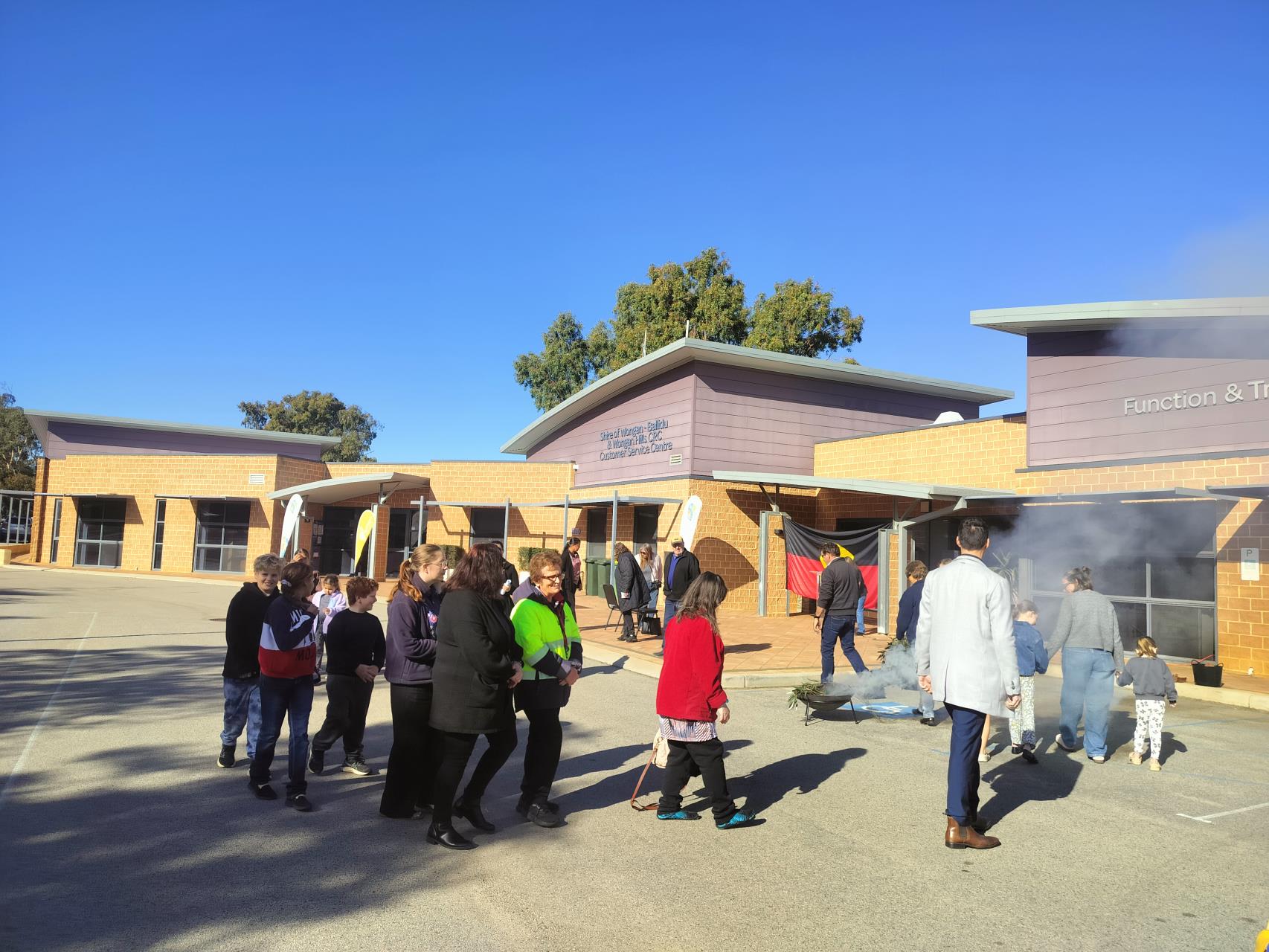
Today, the Shire acknowledges the enduring cultural, spiritual, and physical connection of the Ballardong and Yued Noongar people to this land. We pay respect to Elders past and present and recognise their continuing role in caring for and sharing the stories of this Country.
Want to learn more?
Visit the Mangaart Myia Nyungar Culture and History Centre